
You’re about to drop cash on a shower liner that could turn your bathroom into a swamp faster than you can say “leak.” Most homeowners in Peoria think a cheap liner will do the trick, only to discover a soggy mess that eats up time, money, and sanity.
The real trouble starts when you skip the prep work, ignore the local water pressure quirks, or pick a liner that doesn’t match your tub’s shape. Those shortcuts don’t just ruin the look—they set you up for costly repairs that could have been avoided with a few smart moves.
Ready to protect your investment and keep the water where it belongs? Keep reading and discover the exact steps to dodge the most common pitfalls.
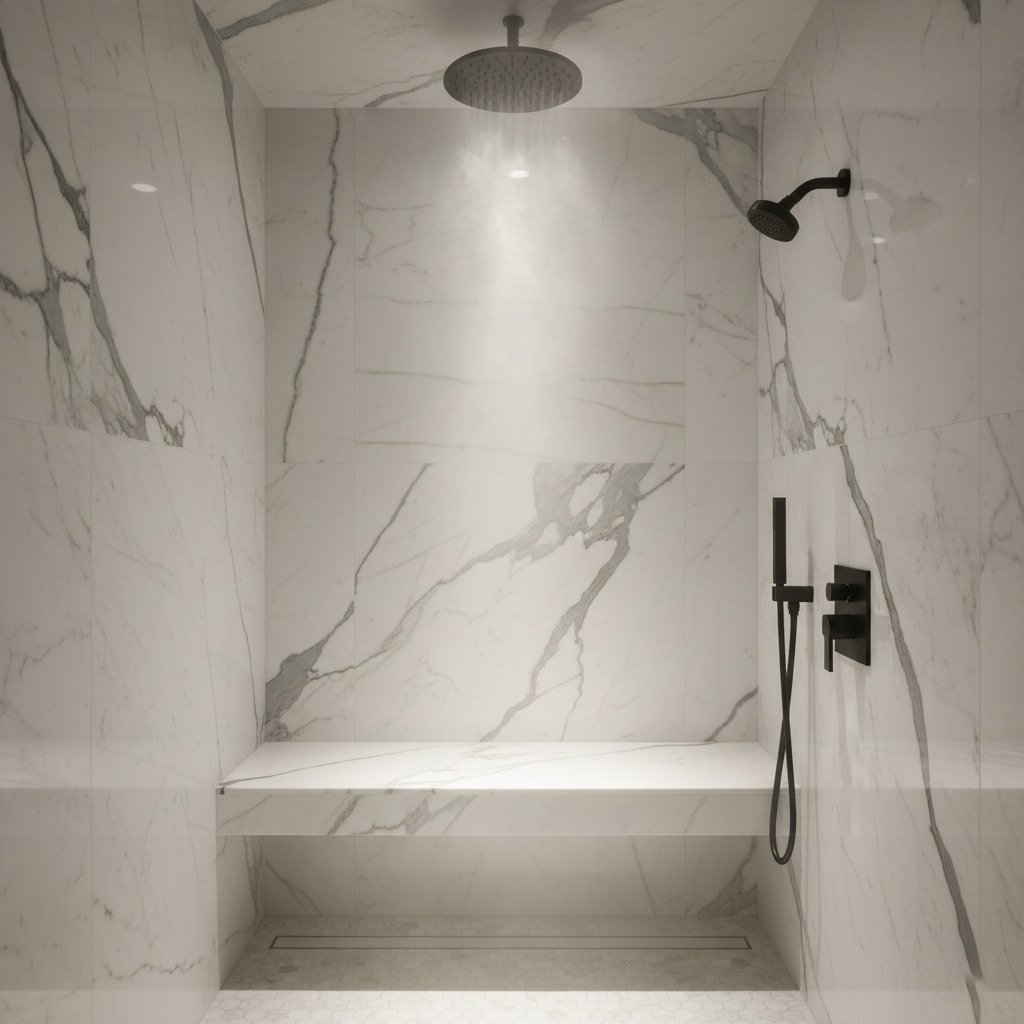
Understanding Shower Liner Types and Their Suitability for Peoria Homes
Common Liner Materials
Peoria remodelers usually choose between PVC, CPE, and acrylic liners. PVC is cheap and easy to cut, but it can become brittle under intense sun exposure. CPE offers better flexibility and resists cracking when the house settles.
- PVC – budget‑friendly, good for low‑traffic showers.
- CPE – tougher, handles temperature swings.
- Acrylic – premium feel, excellent for high‑end remodels.
Why Peoria Matters
The desert heat and occasional monsoon bursts put extra stress on any waterproof barrier. A liner that can breathe with the house’s expansion will outlast one that’s rigid. Water pressure in the area averages 55‑70 psi, so you need a material that won’t stretch thin under that force.
- Heat‑resistant compounds prevent warping.
- UV‑stable additives stop yellowing.
- Pressure‑rated seams keep leaks at bay.
Fit and Finish
Every tub shape in Peoria is different – from classic alcove to curvy walk‑in. Measure twice, but also consider the liner’s flex factor. A liner that hugs the corners will stop water from sneaking behind the wall, saving you from a costly remodel later.
Accurate Measurements and Essential Prep Work Before Installation
Measure Twice, Cut Once
Start by pulling the shower curtain aside and laying a tape measure flat against the tub’s lip. Record the width at the front, back, and the deepest point – walls rarely sit perfectly square.
Next, drop a level on the floor to check for any slope. Even a half‑inch drop can force water toward the drain and ruin a new liner.
- Width: front, back, and side walls.
- Depth: from the lip to the floor at three spots.
- Height: from the floor to the top of the curb.
Prep the Surface Like a Pro
Remove old caulk and any leftover adhesive; a clean, dry surface is non‑negotiable. Use a scraper, then wipe with a solvent that won’t damage the tub finish.
Seal any cracks in the cement board before you even think about the liner. A quick coat of waterproofing membrane saves you from a future mold nightmare.
Choosing the Right Material for Peoria’s Water Pressure and Climate
Peoria’s water system can be a pressure beast—often hitting 70‑80 psi. A liner that can’t handle that force will bow, crack, or let water sneak behind it. Pick a material that flexes without giving up its seal.
Material match‑up for local pressure
Here’s the quick cheat sheet:
- PVC – Rigid, cheap, but prone to cracking under high pressure.
- CPE (Chlorinated Polyethylene) – Flexible, resists pressure spikes, and tolerates temperature swings.
- EPDM (Ethylene Propylene Diene Monomer) – The heavyweight champ; stretches, rebounds, and stays watertight.
For most Peoria homes, CPE or EPDM wins the day. They absorb the surge when you crank the shower, keeping the liner snug against the tub.
Climate considerations
Summers in Peoria can scorch above 110°F, and the desert sun loves to bake anything exposed. UV‑stable liners won’t turn brittle after a season.
Look for liners labeled “UV‑resistant” or “sun‑proof.” EPDM naturally has that edge, while some CPE brands add a UV‑blocking coating. Don’t settle for a cheap liner that melts like ice cream on a hot sidewalk.
Step‑by‑Step Installation Techniques to Prevent Leaks and Mold
First thing’s first: the tub floor and walls must be spotless. Grab a scrub brush, a non‑abrasive cleaner, and wipe everything down until it’s *shiny* and dry. Any residue—soap scum, old caulk, or mineral buildup—creates a tiny tunnel for water to slip through later.
Lay the liner like a pro
Unroll the liner on a clean surface and let it sit for a few minutes; this relaxes the material and reduces creases. Align the pre‑cut edge with the tub’s lip, then press the bottom edge firmly into the drain flange. Trim excess with a utility knife, but **don’t cut too close** to the corners—leave a half‑inch margin for the sealant.
Seal, seal, seal
Now comes the glue‑up. Use a 100% silicone that’s rated for high‑temperature showers. Apply a continuous bead along the perimeter, then smooth it with a wet finger or a caulk‑smoothing tool. The goal is a uniform, gap‑free line that will keep moisture out.
- Top edge: run silicone from the top of the liner down the wall studs.
- Side seams: overlap any seams by at least 2 inches and seal both sides.
- Corner joints: use a corner bead or a small strip of backer rod before the silicone.
After the silicone cures (usually 24 hours), run a gentle stream of water to check for drips. If you see any, pull the liner back, re‑apply sealant, and let it set again. Finally, keep the bathroom ventilated for at least 48 hours; good airflow is the cheapest armor against mold.

Common Mistakes to Avoid During Sealing, Trimming, and Finishing
Even a seasoned DIYer can turn a brand‑new liner into a water‑logged nightmare with one careless move. The devil lives in the details—miss a bead of sealant, cut the liner too short, or sand the finish too aggressively, and you’ve invited leaks, mold, and endless callbacks.
Sealing Slip‑Ups
- Skipping the primer. Without a proper primer, the silicone won’t bond, and the first splash will find a way out.
- Applying too much sealant. A thick ribbon looks impressive but cracks as it cures, leaving gaps.
- Neglecting to smooth the bead. A rough edge creates channels where water can pool and seep.
Take a moment to tape off the edges, press a thin, even line of 100% silicone, and run a wet finger to flatten it. Let it cure fully—usually 24 hours—before you even think about turning the faucet on.
Trimming Trouble
- Cutting the liner with a dull utility knife. A jagged edge tears under pressure, compromising the waterproof barrier.
- Measuring twice, cutting once—then forgetting to re‑measure after the tub’s flange is in place.
- Leaving excess liner hanging behind the wall. It can trap moisture and become a breeding ground for mold.
Use a fresh, sharp blade and a straightedge. Trim in short, controlled strokes, and always double‑check the fit before you seal.
Finishing Flubs
- Rushing the grout cure. Wet grout next to the liner will leach chemicals that degrade the seal.
- Skipping the caulk bead where the liner meets the shower curb. Water loves the smallest opening.
- Using abrasive cleaners on the liner surface. You’ll scratch the protective layer and invite wear.
Give the grout at least 48 hours to set, then apply a thin silicone bead at every transition point. Finish with a gentle, non‑abrasive cleaner to keep the liner looking fresh for years.
Case Study: A Successful Shower Liner Installation in a Peoria Remodel
When the Martinez family decided to upgrade their 1998 ranch‑style bathroom, they were terrified of ending up with a leaky disaster. Their previous liner had warped after a single summer of high‑pressure water, turning the shower into a swamp. We stepped in with a plan that kept the budget tight and the water where it belongs.
The Prep & Material Choice
First, we measured every curve of the tub with a laser level, catching a ½‑inch variance that most DIYers miss. Then we matched the liner to Peoria’s hard water and seasonal temperature swings, opting for a 30‑mil PVC‑coated acrylic that resists cracking. All seams were pre‑treated with a water‑based primer to guarantee adhesion.
Installation & Results
The crew installed the liner using a back‑rolling technique that eliminates air pockets, then sealed every joint with a silicone formulated for desert climates. Within 48 hours the bathroom passed a water‑pressure test with zero leaks. Homeowners reported:
- No musty odors after the first shower.
- Easy cleanup—no grout lines to scrub.
- Peace of mind knowing the liner will last a decade.
Final Words
Before you walk away from the job site, give the shower a quick visual audit. Look for any gaps, uneven seams, or water pooling at the base. A fast check now saves you a costly repair later.
Quick Checklist
- Confirm the liner sits flush against the tub wall—no bulges.
- Run a dry test with a spray bottle to spot hidden leaks.
- Verify the silicone seal is smooth and fully cured.
- Trim excess liner cleanly; ragged edges invite mold.
When you’re satisfied, seal the deal with a professional inspection. A certified plumber can spot issues you might miss and ensure the liner meets Peoria’s water‑pressure demands.
Next Steps
Ready to upgrade without the headaches? Browse our Shower Liners page for top‑grade options and expert installation services. Let us handle the details while you enjoy a dry, worry‑free bathroom.
People Also Ask
What are the most common shower liner types used in Peoria homes?
PVC and CPE liners are the most popular because they resist the high mineral content in Peoria’s water. Acrylic liners are also an option for a seamless, low‑maintenance finish.How do I accurately measure my shower space before installing a liner?
Measure the width, length, and height of the shower walls at the floor, mid‑wall, and top edge, then add a 2‑inch overlap on each side. Double‑check all dimensions and write them down before ordering the liner.Which liner material works best with Peoria’s water pressure and climate?
A thick‑gauge PVC liner (at least 30 mil) handles the city’s higher water pressure and resists cracking from temperature swings. CPE offers similar durability with added flexibility for uneven walls.What sealing mistakes cause leaks and mold after a shower liner install?
Skipping the primer, using the wrong type of silicone, or failing to smooth the sealant can allow water to seep behind the liner. Always apply a continuous bead of mold‑resistant silicone and press it firmly into the seam.Can I trim a shower liner myself without damaging it?
Yes, but use a sharp utility knife and cut only the excess after the liner is fully secured. Leave a ¼‑inch margin from the wall and floor to maintain the liner’s integrity.
Peoria Bathroom Remodel specializes in comprehensive bathroom renovations, bringing over a decade of craftsmanship to homes across Peoria, Arizona. Their team blends local knowledge with skilled trades to deliver functional, stylish spaces tailored to each homeowner’s vision.
Need Bathroom Remodel?
We deliver prompt, results‑driven home service solutions throughout Peoria, AZ and neighboring ZIPs (85345, 85381, 85382, 85383, 85385). Our focus on efficiency gets your project completed on schedule, every time.
Get Bathroom Quote